Skip to content
clock-icon ORDERED BY 5 PM, DELIVERED ON FOLLOWING DAY ‏‏‎ ‎‏‏‎ ‎‏‏‎ ‏‏‎ package-icon FREE POSTAGE FROM CHF 150 ‏‏‎ ‎‏‏‎ ‎ ‏‏‎ ‏ ‏‎ icon-schweizer-standort LOCATION SWITZERLAND
clock-icon ORDERED BY 5 PM, DELIVERED ON THE FOLLOWING DAY
package-icon FREE POSTAGE FROM CHF 150 ‏‏‎ ‎‏‏‎ ‎‏‏‎ ‏‏‎ icon-schweizer-standort LOCATION SWITZERLAND‎‎‎‎ ‎‎‎‏‏‎‏‏‎

Flat benches as a basis for your strength training

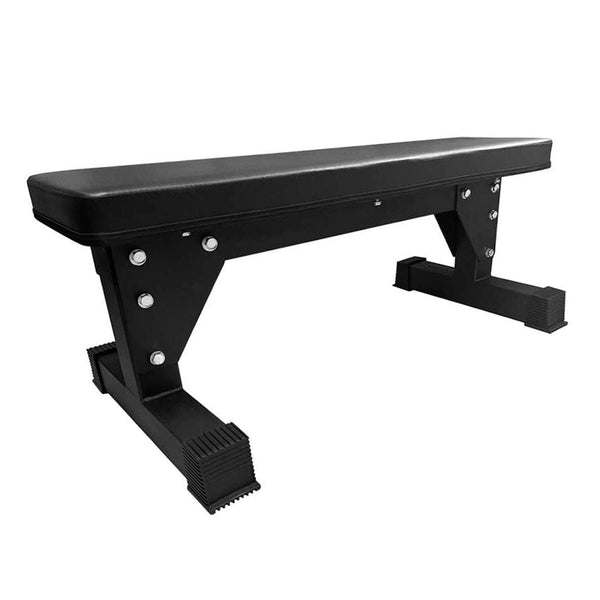
Flat benches are among the most important elements in Gym equipment and form the basis for numerous exercises in strength training, functional fitness, and weightlifting. In contrast to Inclined benches The lying surface of a flat bench is not adjustable and remains horizontal. This stability ensures maximum safety and makes flat benches particularly suitable for exercises such as conventional bench presses, Bulgarian split squats, hip thrusts, leg raises, or one-arm dumbbell rows. Thanks to the stable surface, you can... barbells or dumbbells train effectively.

Difference between flat bench and incline bench

While a flat bench press focuses primarily on the middle and lower chest muscles, an incline bench, with its adjustable incline, allows for targeted training of other muscle groups, such as the upper chest and shoulders. Incline benches offer more variety, but flat benches generally allow for heavier weights, making them the ideal choice for intensive strength and muscle building.

Popular exercises using a flat bench

bench press

The classic exercise on a flat bench. Lie flat, place your feet firmly on the ground, and press down. barbell or dumbbells Controlled upwards from the chest. This movement trains the chest as the primary muscle, while the triceps and shoulders work in a supporting role.

Dumbbell flyes

Lie flat on the bench, hold two dumbbells above your chest, and lower them to the sides until you feel a slight stretch in your chest muscles. Then bring the dumbbells back together. This exercise isolates the chest muscles more effectively and provides a more intense stretch.

Supplementary exercises

Besides chest exercises, you can also perform dips, sit-ups, or Bulgarian split squats on a flat bench. This makes the bench a versatile training device for almost all muscle groups.

FAQ – Frequently Asked Questions to flat benches

Who is a flat bench suitable for?

Flat benches are ideal for both beginners and advanced users, as they provide a stable base for many classic strength exercises.

Which muscle groups can I train with a flat bench?

The chest, shoulders and arms especially benefit, but exercises for the abdomen and legs can also be performed on the flat bench.

Is a flat bench also useful for a home gym?

Yes, flat benches are space-saving, robust, and versatile. This makes them perfect for use in a home gym and they can be flexibly combined with other equipment.

What should I look for when buying a flat bench?

Important factors include stability, non-slip feet, the width of the padding, a robust construction and a high maximum load capacity – especially if you train with heavy weights.

Do I absolutely need a rack for the flat bench?

For heavy bench presses, a power rack or barbell stand is recommended. For dumbbell training, a flat bench alone is perfectly sufficient.

Conclusion: Foundation in gym equipment

As part of the category Weight benches Flat benches provide a solid foundation for effective upper body training. Use a [bench/bench/bench] for heavy training. Power Rack or one barbell rackTo increase safety. Vary between Long- and dumbbells, in order to set different training stimuli. However, those seeking even more variability also use: Inclined benches, to supplement the training with additional angles and focus areas.